
LCDC Release Paths
Lea County Detention Center can end physical custody in several ways. A court may authorize release on bond or recognizance, dismiss a case, credit time served, or record sentence completion. Those events may permit a person to enter the community. Yet LCDC also transports sentenced people to the New Mexico Corrections Department, returns federal boarders to the U.S. Marshals Service, and may transfer a person to another county or authority. A detainer, meaning a request by another agency to assume custody, can make the second event follow the first with no period of community freedom.
The official release record should answer identity, custody, event, authority, and destination. Ask for the full booked name and inmate number, admission and release times, the release type or order, and the receiving agency when a transfer occurred. “Not in custody” answers only a present-status question. It does not show when the Lea County hold ended or where the person went. The complete Lea County released-inmate search and records workflow on the home page provides the broader path when the destination is uncertain.
Confirm an LCDC Release
The official LCDC detainee roster is a dated current list. It shows an inmate ID, last name, and first name. It has no release field, booking detail, charge, bond, photo, or archive. Use the ID as a record key if it was saved while the person appeared. An absence is only a lead because transfer, spelling correction, system delay, or release can all remove a visible entry.
- Record the roster date and exact name or inmate ID. If listed, the person is on the current table, not a released list.
- Search New Mexico Case Lookup for the matching Lea County case and review bond, release-order, dismissal, judgment, warrant, and sentence events.
- Contact LCDC Adult Records, then request the release/activity-log entry and release order in writing when historical proof is needed.
- Read the destination field. Follow an NMCD transfer through the state offender search and a federal handoff through the federal docket, BOP, or USMS channel.
- Log the source, date checked, exact label, and any staff confirmation. Keep the court order and physical-release entry as separate facts.
The court order supplies legal authority. The LCDC log records physical execution. If their dates differ, keep both dates and ask the clerk or records custodian to reconcile them rather than choosing one. The official court-access explanation shows why the web docket is not the official court record.
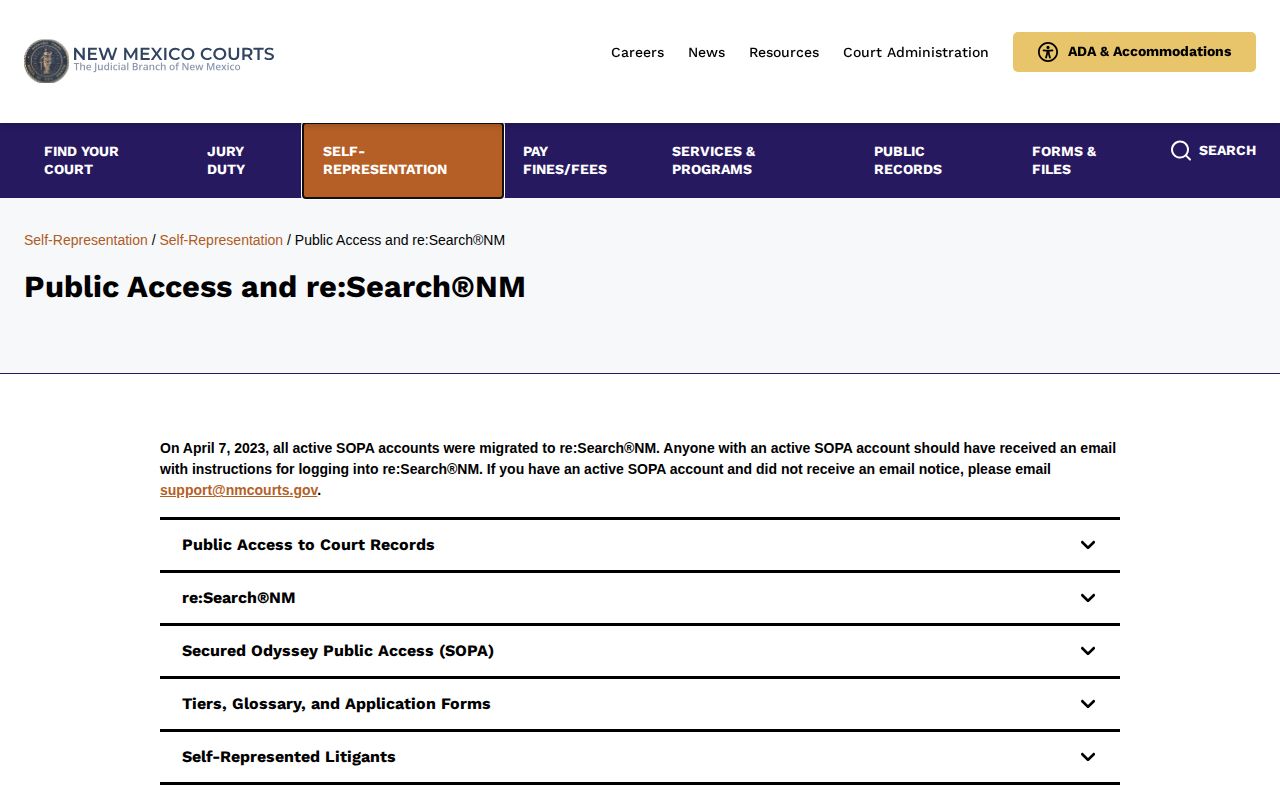
The court screen can identify a relevant case and event sequence, while the signed order must come from the clerk when exact authority matters.
LCDC Release Records Contact
Lea County, not the sheriff, administers the detention center. The official facility listing gives the administration line and an Adult Records channel. For urgent status, call and ask whether the person left for the community or was transported to a named authority. Record the unit, time, and exact response. For durable proof, use the county's written records process.
Lea County Detention Center1401 S. Commercial Street
Lovington, NM 88260
Administration: 575-396-8669
Adult Records fax: 575-396-8506
Hours: call to confirm
The LCDC IPRA request sheet routes written requests to the Lea County Public Information Officer at 100 N. Main Avenue, Suite 4, Lovington, NM 88260. It lists 575-396-9110, fax 575-396-2093, and mrussell@leacounty.net, while asking for a courtesy copy to the LCDC custodian. Verify the current sheet before sending because named contacts can change.
A focused request should identify the booked name, approximate admission, inmate number, arresting agency, and case number if known. Ask for public portions of the booking sheet, release order, and release/activity-log line, including the admission and release time, authority, type, and receiving agency. Protected medical, juvenile, victim, security, and personal-identifier data may be withheld or redacted.
LCDC Custody and Release Scope
The official Lea County facility page describes a county-administered center holding adult and juvenile accused offenders as well as U.S. Marshals detainees. Its historical description reports a 432-bed design, an average of about 300 adults and ten juveniles, and more than 90 adult federal inmates. Those figures describe a custody mix, not an annual release count and not a current population guarantee.
The county’s LCDC facility overview is shown below.
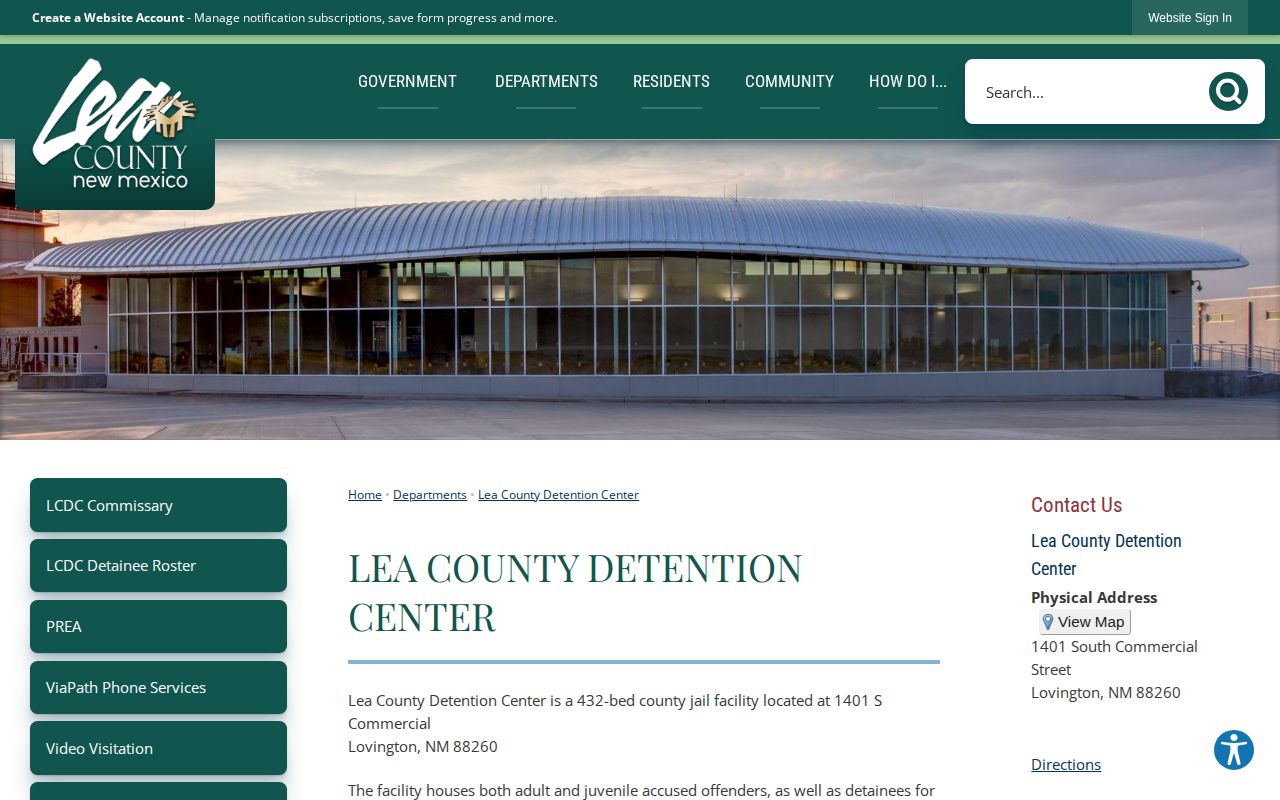
The county page establishes both the local and federal mix, which is why every LCDC release check must ask who held legal custody and who received the person next.
LCDC Release Record Fields
A release/activity log is more useful than a bare status response because it distinguishes the event and destination. New Mexico's Inspection of Public Records Act supports requests for existing public records, subject to lawful exceptions. A custodian need not create a new report. Ask for the existing entry tied to one admission, or a defined log interval when the inquiry concerns a time period.
| Field | What it establishes |
|---|---|
| Booked identity and inmate number | Connects the record to the correct LCDC admission |
| Admission date and time | Marks the start of the county custody episode |
| Release date and time | Marks when LCDC physical custody ended |
| Release authority or type | Shows bond, order, time served, completion, or transfer basis |
| Receiving agency | Separates community release from NMCD, USMS, ICE, or other transfer |
Under the state retention schedule, jail inmate files may be retained for five years after closure. That schedule does not promise web display for the same period. Since the Lea County roster is current-only, a prompt focused request is the practical way to preserve the release fact after the name vanishes.
IPRA timing also helps frame the request. Inspection is generally free, and a custodian must allow access immediately or as soon as practicable. When a record is not available within three business days, the office must explain when it will be available or why it is withheld. The ordinary outside point is 15 calendar days unless an excessively broad or burdensome request requires statutory handling. Paper and transmission charges depend on the current law and agency policy, so ask for an electronic copy and a cost estimate instead of quoting the detainee handbook's unrelated medical-copy charge.
Why LCDC Records Route Countywide
Lea County jail history changes where records inquiries belong. Detention was once housed at the courthouse and operated through the Sheriff's Department. Administration moved to the Board of County Commissioners in 1984. The present South Commercial Street center opened in 2005 and combines adult and juvenile space. This is the facility-history angle that explains current release routing: requests go to LCDC and the Lea County public-information contacts, not automatically to the sheriff.
The difference also matters when a generic directory or old reference names the wrong office. Start with the current county facility page and current request sheet. If a telephone answer does not identify the historical record, follow with a written request for the existing entry. State that no new report is requested. A response that says only “not in custody” should be narrowed to the record showing when and under what authority county custody ended.
Release-day planning needs the same care. LCDC publishes no general hour, weekend rule, public exit, or waiting zone. Its handbook does describe stored-property release to a named person with identification, generally on weekdays during the stated records window or as scheduled. All releasable property goes together, while basic clothing remains for physical release. Those handbook rules should be confirmed with Adult Records before anyone travels because they do not prove that all holds have cleared or that a release has been executed.
Note: The facility publishes no general release hour, weekend schedule, exit door, or family waiting area, so call before travel.
LCDC Federal Release Handoffs
U.S. Marshals boarding is a major Lea County distinction. A federal detainee can appear on the same minimal roster as a local detainee, then disappear when LCDC's housing role ends. That departure may send the person to another contract jail, a federal court appearance, or BOP custody. It should not be described as a community release unless the county log and federal record support that conclusion.
An ICE detainer is also a transfer concern when it is documented for the named person. It asks a jail to hold someone for a limited period beyond the time the person would otherwise be released so ICE can assume custody. Official sources show historical ICE activity at LCDC, but no verified current ICE detention contract. Do not treat LCDC as a present ICE facility. Use the receiving-agency field first, then the ICE locator only when the record points to immigration custody.
The dedicated U.S. Marshals detainee page explains the federal locator, docket, and transfer proof in detail. For a local case, Adult Records and the court remain the primary sources.